




Key Takeaways
- The 49th day marks a meaningful milestone, symbolising the soul’s peaceful transition and the close of the mourning period.
- Rituals such as chanting, offerings, and prayers are performed to honour the departed and express ongoing love and gratitude.
- The memorial encourages family and community to come together, offering emotional support and shared remembrance.
- Beyond tradition, the ceremony provides comfort, reflection, and a sense of closure, which helps loved ones move forward with peace.
Introduction
In Buddhist tradition, the 49th day after death marks a deeply spiritual milestone, signifying the end of the mourning period and the transition of the soul to its next stage. Families in Singapore often hold a Buddhist memorial to honour the departed, offer prayers, and find solace in coming together. Knowing what to expect allows loved ones to participate with understanding, reverence, and calm.
What Happens at a Buddhist 49th Day Memorial Service
A Buddhist memorial is typically a solemn and peaceful ceremony guided by monks or nuns. The service focuses on prayer, chanting, and offerings, all intended to assist the deceased in attaining a favourable rebirth. Attendees are generally expected to wear modest, light, or dark-coloured attire as a sign of respect.
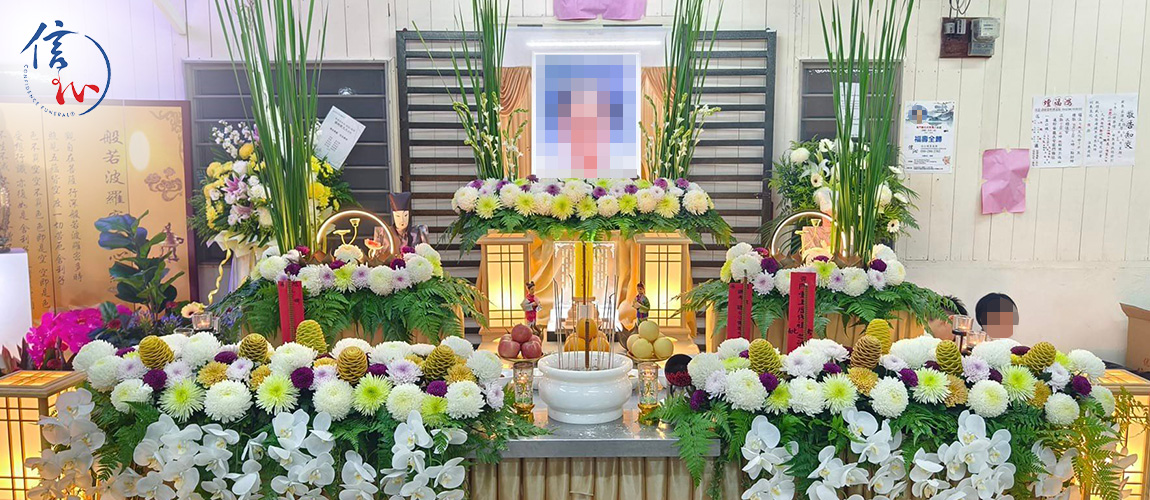
Families may prepare an altar featuring the deceased’s photograph, a Buddha statue, and offerings such as fruits, flowers, and incense. These gestures symbolise gratitude and merit-making, acts believed to bring blessings to both the departed and the living. The serene atmosphere encourages quiet reflection, allowing participants to focus on mindfulness and remembrance rather than elaborate displays.
The Spiritual Meaning of the 49th Day
The profound significance of the 49th day memorial lies in the Buddhist belief that the soul’s journey after death spans 49 days. During this time, prayers and rituals are performed to help guide the spirit toward peace and enlightenment. On this final day, it is believed that the soul completes its passage to the next life, making the occasion both sacred and transformative.
In Singapore, these Buddhist memorials are led by monks, offering blessings that facilitate a smooth transition for the departed. For loved ones, this observance is not just a religious rite but also an emotional milestone—a moment to release sorrow and embrace the idea of continuity beyond this earthly life.
Offerings and Prayers: Acts of Compassion
Offerings are at the heart of every Buddhist memorial. Fruits, flowers, vegetarian dishes, and incense are commonly used to express respect and cultivate a peaceful environment for the soul. Each offering carries its own meaning: incense symbolises prayer and purity, while vegetarian food embodies compassion and non-harm.
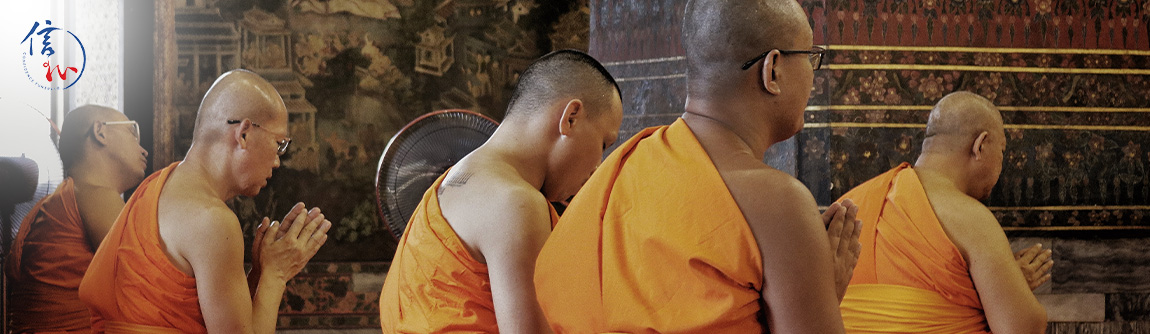
Monks often lead the chanting of sutras, filling the space with rhythmic recitations that bring comfort to attendees. These Buddhist 49th-day prayers are believed to generate positive energy and merit, guiding the deceased on their spiritual journey. Within Buddhist death rituals in Singapore, such practices are regarded as acts of love, ensuring that those who have passed on are remembered with dignity and care. Families who choose a Buddhist funeral package can be assured that these sacred offerings and prayers are thoughtfully arranged to honour every tradition.
A Time for Family and Community
Beyond the formal rituals, the 49th-day service serves as an opportunity for family and friends to come together in remembrance. Sharing stories, meals, and quiet reflection strengthens the bonds among the living. This communal gathering reinforces the Buddhist teaching of interconnection, reminding families that compassion for others extends beyond life itself.
Community participation is often encouraged, reflecting the belief that collective prayers amplify blessings for the departed and foster healing for those left behind. Studies on end-of-life care highlight how shared rituals and compassion help families process grief and strengthen communal bonds.
Finding Comfort and Closure
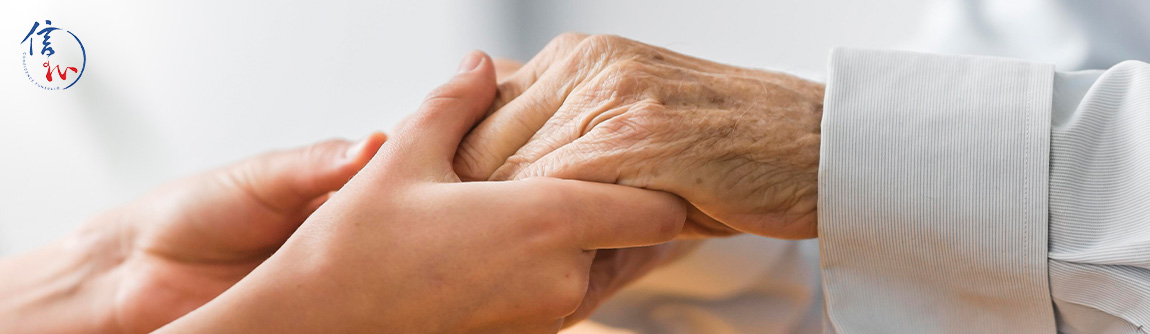
For many, the Buddhist memorial symbolises the completion of the mourning journey. The rituals and chanting bring assurance that the departed soul has found peace, while the prayers provide comfort and healing for the family. This is a time to let go of sorrow, express gratitude, and accept the natural cycle of life and death.
In the context of a Buddhist funeral in Singapore, this moment signifies both the end of mourning and the renewal of compassion and mindfulness that bring healing and peace. For many families, the 49th day service marks a gentle turning point, transforming grief into peace and remembrance into gratitude.
Conclusion
The 49th day memorial extends beyond ritual; it is a profound moment of closure, compassion, and spiritual renewal. Understanding what takes place helps families approach the service with mindfulness and respect, creating a space for healing and reflection.
At Confidence Funeral Services Pte Ltd, our experienced team is dedicated to guiding families through meaningful traditions with sincerity and care. If you are seeking transparent and professional funeral services in Singapore, we are here to help you honour your loved one with peace and dignity. For compassionate guidance or to learn more about our services, contact Confidence Funeral today for clear and caring support.